Views: 0 Author: Site Editor Publish Time: 2026-10-24 Origin: Site


Are high electric bills draining your monthly rental budget? Standby power quietly wastes electricity across millions of households. Yet, renters often feel completely powerless. You cannot simply rip open the drywall to alter wiring. Modernizing a living space must never risk your security deposit.
A WiFi smart plug offers a completely tool-free, non-invasive solution. Imagine crawling behind a dusty entertainment center every night just to unplug your television. Smart adapters eliminate this hassle entirely. In this comprehensive guide, we will break down how to automate your apartment safely and efficiently from an engineering perspective.
We will explore the mechanics of energy savings, practical daily routines, and highly reliable device setup tips. This knowledge empowers tenants to take absolute control of their utility consumption without touching a single copper wire.
Before diving into the technical nuances and hardware specifications, here is a quick overview of how a modular automation ecosystem benefits both tenants and property managers.
Feature / Benefit | Value for Renters | Value for Property Managers |
|---|---|---|
No-Drill Installation | Upgrades the apartment without violating strict lease agreements or losing security deposits. | Prevents unauthorized electrical modifications and potential fire hazards caused by amateur wiring. |
Eradicate Standby Power | Cuts off vampire draw from entertainment centers and kitchen appliances, lowering utility bills. | Reduces baseline energy consumption in vacant units, lowering overhead costs between tenants. |
Enhanced Security | Automates lighting routines to simulate occupancy during travel, deterring potential break-ins. | Allows remote monitoring of essential environmental controls to prevent freezing pipes or overheating. |
Ultimate Portability | Devices are fully owned by the renter and can be easily packed and moved to the next property. | Provides a modular, easily replaceable infrastructure compared to hardwired smart wall switches. |
Modernizing a living space with smart home technology traditionally requires permanent physical modifications. Homeowners can effortlessly replace standard wall outlets with smart receptacles. They can swap out analog light switches for connected dimmers. Renters face a formidable barrier here. Most standard rental contracts explicitly forbid tenants from altering the property electrical infrastructure.
Attempting to change a wall switch requires shutting off the main breaker. It involves handling live copper wires. This risks severe penalties, including eviction or the forfeiture of a security deposit. Hiring a licensed electrician for a temporary living space also offers a terrible return on investment.
A modular adapter bypasses these physical and contractual restrictions entirely. It simply inserts into any existing standard wall outlet. The appliance you wish to control is then plugged directly into the adapter. This architecture requires absolutely zero tools, drywall cutting, or rewiring. Because it is a removable consumer accessory rather than a permanent fixture, it complies perfectly with standard rental agreements.
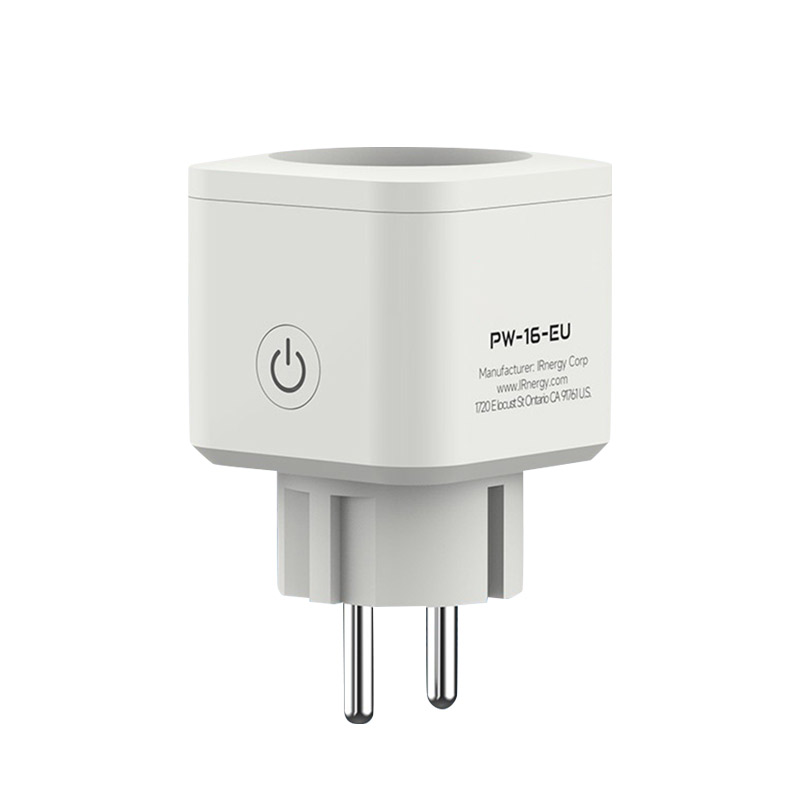
Beyond daily convenience, the primary functional advantage of these devices is aggressive energy management. Many modern appliances never truly power down. Televisions, gaming consoles, and microwave ovens enter a standby mode. They do this to maintain network connectivity or wait for remote control signals. Electrical engineers refer to this continuous energy consumption as parasitic load.
According to energy monitoring studies, standby power can account for up to ten percent of an average household monthly electricity usage. A remote-control smart socket addresses this inefficiency mechanically. When turned off via the companion app, the internal relay within the socket physically breaks the electrical circuit. This action severs the power connection to the appliance. It reduces the energy draw to true zero.
Premium models are equipped with sophisticated energy monitoring hardware. These units utilize internal metering chips that measure voltage and current in real-time. They calculate the exact wattage being consumed by the connected appliance. This empirical data is transmitted via the local network to a smartphone application. Renters can analyze daily and monthly kilowatt-hour usage to pinpoint specific appliances driving up their utility bills.
Looking at the broader real estate market, there is a massive shift occurring in property technology. Rising global energy costs and stricter environmental regulations are forcing landlords to rethink energy efficiency. However, retrofitting older apartment buildings with hardwired smart panels is prohibitively expensive. It also triggers complex building code compliance audits.
Consequently, the industry is rapidly pivoting toward non-invasive, modular power management. Property management firms are realizing that plug-and-play IoT devices offer a superior return on investment. Instead of tearing down walls, they are deploying wireless adapters to control baseline energy in vacant units. This trend highlights a critical reality. The future of residential energy efficiency relies on flexible, scalable hardware rather than permanent architectural changes.
Climate control in older rental properties is notoriously inefficient. Tenants often rely on analog window AC units, portable box fans, or standalone electric space heaters. These standalone devices typically lack built-in smart thermostats. Integrating a wireless power control plug bridges this technological gap effortlessly.
During a sweltering summer, a window AC unit can be scheduled to activate thirty minutes before you arrive home from work. This ensures a comfortable environment without the exorbitant expense of running the compressor all day. Specifically, when automating climate control devices, you must verify that the adapter relay can handle the startup inrush current of the appliance.
Security remains another primary concern for renters. An apartment left completely dark for days serves as a glaring indicator of vacancy to potential intruders. You can establish a robust digital security layer through randomized automation. The internal algorithm turns connected floor lamps or radios on and off at varying intervals throughout the evening. This creates a highly convincing illusion of human presence.
Not all smart adapters are built to the same industrial standards. Space is a premium commodity in rental apartments. Older buildings may only feature one or two duplex receptacles per room. Therefore, the physical footprint of the hardware is a critical purchasing factor. Look for compact, horizontally aligned designs engineered to occupy only a single receptacle.
Furthermore, build quality cannot be compromised when managing high voltage alternating current. You must evaluate the hardware based on strict engineering criteria:
Relay Capacity: Ensure the device features a robust 15A or 16A internal relay. Under-rated relays will fuse together or catch fire when subjected to the high inrush currents of space heaters.
Housing Material: The exterior casing must be constructed from V-0 flame-retardant polycarbonate. This industrial-grade polymer prevents combustion even if internal components overheat.
Ecosystem Compatibility: The device should integrate seamlessly with major voice assistants and mainstream smart home hubs. This interoperability allows for hands-free control and complex multi-device routines.
The installation process for modern smart plugs requires absolutely no technical background. You simply plug the device into the wall outlet. An LED indicator will begin flashing to signal pairing mode. Next, download the manufacturer proprietary application, create a secure account, and follow the on-screen prompts to input your WiFi credentials.
In contrast, the most common hurdle beginners face involves router frequency bands. The vast majority of smart home devices operate exclusively on the 2.4GHz WiFi band. This frequency offers superior range and penetrates walls much more effectively than the faster 5GHz band. This is crucial for hardware hidden behind heavy furniture.
Modern apartment routers often use band steering, broadcasting both frequencies under a single network name. If your smartphone is connected to the 5GHz band during setup, the pairing process will fail. To resolve this quickly, walk further away from the router until your phone naturally drops to the stronger 2.4GHz signal. Complete the setup, and then return to your normal location.
Individual renters benefit greatly from single-device deployments. Property managers overseeing multi-unit complexes can leverage this technology on a macro scale to drastically optimize operational efficiency.
When a tenant moves out, maintenance staff may inadvertently leave lights or portable dehumidifiers running in vacant apartments. Over a portfolio of dozens of units, this wasted standby power significantly erodes the bottom line. By installing a baseline network of modular adapters, property managers can centrally monitor energy usage. They can enforce automated schedules that ensure all non-essential power is severed at night.
For commercial-scale deployments, off-the-shelf consumer retail products may not offer the required durability. Landlords looking to outfit entire buildings must prioritize robust hardware architecture. Businesses aiming to integrate smart power management seamlessly into their existing property management software should explore custom smart home architectures. Engaging with industry experts provides the technical support necessary to scale automation securely.
When considering upgrades, the primary concern is the financial viability of the hardware. Unlike permanent installations that require significant upfront capital, a modular adapter represents a low-risk entry point. We must objectively analyze the return on investment generated by eradicating standby power.
Appliances with digital clocks or standby memory functions are the primary culprits of parasitic load. By deploying a wireless adapter, you physically sever the electrical connection during non-use hours. A standard industrial-grade adapter typically recovers its own purchase cost within six to ten months through reduced utility bills. Once the initial price is recovered, the ongoing energy reduction translates into pure profit.
The most significant financial barrier to automation for renters is the concept of sunk costs. Installing hardwired wall switches usually means leaving those investments behind when the lease expires. A modular adapter completely circumvents this economic disadvantage. You retain full ownership of the asset. When relocating, simply unplug the devices, pack them, and deploy the exact same automated ecosystem in your new residence.
Home automation does not require property ownership or a degree in electrical engineering. You never need to hire a professional electrician to experience the convenience of a connected living space. Aggressively managing standby power reduces your monthly electricity bills and extends the lifespan of your sensitive electronics.
Take absolute control of your apartment energy usage today. Build a smart home ecosystem that moves wherever life takes you. If you are looking for industrial-grade reliability, accurate energy monitoring, and hardware built to rigorous safety standards, explore the advanced power management solutions at EquiGold. Upgrade your living space safely and start maximizing your energy savings now.
No, a landlord generally cannot prohibit the use of these devices. From a property management perspective, this hardware is classified as a temporary plug-in consumer electronic device. It is treated exactly like a toaster or a standard power strip. Standard lease agreements strictly forbid permanent alterations to the property. Because setting up this hardware requires zero tools or rewiring, it does not violate these lease terms. As long as the device carries recognized safety certifications, it complies with standard residential fire codes.
Yes, it does consume power, but the amount is mathematically negligible compared to the energy it saves. To maintain an active connection to your local router and process commands, the internal microchip and radio transmitter must remain powered. Empirical testing shows that a standard unit draws approximately one watt of power continuously. This translates to less than two dollars in electricity costs per year. In stark contrast, the vampire draw of a modern gaming console left in standby mode can easily exceed fifteen watts continuously.
It strictly depends on the specific amperage and wattage rating of both the adapter and the appliance. This is a critical safety consideration. Standard consumer units are typically rated for 10 Amps or 15 Amps. Before connecting a heavy-duty appliance like a portable space heater, you must inspect the appliance data label. Plugging a high-draw motorized or resistive heating appliance into an under-rated adapter will cause the internal relay to overload and create a severe fire hazard.
The functionality will be partially limited, but the device will not become useless. It is important to distinguish between your local network and your external internet connection. If your service provider experiences an outage, you will lose the ability to control the device remotely from outside your apartment. However, premium devices store your pre-set automation schedules on their internal flash memory. These local schedules will continue to execute normally. Every certified unit also features a physical bypass button on the casing for manual control.
Yes, they are highly secure provided you implement fundamental digital hygiene and purchase hardware from reputable manufacturers. The primary security vulnerability usually stems from user error, specifically leaving default passwords active on the home network. To ensure maximum security, you should secure your main wireless router with strong encryption and a complex password. It is highly recommended to configure a guest network on your router. Connecting all your automation devices exclusively to this isolated guest network physically separates them from your personal laptops and banking data.
No, they do not negatively impact your internet bandwidth. These devices transmit tiny packets of text-based data to receive commands or report energy usage. They do not stream video or download large files. While having dozens of devices connected might slightly crowd the router connection table, it will not noticeably degrade your browsing or streaming speeds. A standard modern router can easily handle the microscopic data footprint of these adapters.
When the main power is restored to your apartment, the adapter will automatically reboot and begin searching for your router. Once the local network is back online, the device reconnects and resyncs its internal clock with the cloud server. Your saved schedules are stored in non-volatile memory, meaning they are never lost during a blackout. The routines will resume executing exactly as you programmed them without requiring any manual intervention.


